August 26, 2026
Home maintenance costs have become an increasingly important concern for property owners, and roofing has moved to the center of that conversation. A roof protects the structure from rain, wind, sun, snow, and changing temperatures, yet it is also one of the most expensive exterior systems to repair or replace. As homes age and severe weather affects many regions, more owners are investing in inspections, repairs, maintenance, and full roof projects. Working with a qualified roofing contractor can help homeowners understand the condition of their roof and prioritize work before minor problems become larger expenses. Looking at the factors behind the recent increase in roofing projects can also explain why proactive maintenance matters.
Recognizing the Rise in Roofing Projects
Roofing activity has increased as homeowners pay closer attention to the condition of aging properties. Many houses have roofing materials that have been exposed to years of weather, temperature changes, debris, and normal wear. Even a roof that appears intact from the ground may have damaged shingles, deteriorated flashing, worn sealants, or other issues that require attention. As owners invest in maintaining their homes, roof-related projects have become a common part of broader renovation and upkeep plans.
According to This Old House, about 31% of homeowners surveyed completed a roofing repair, renovation, or maintenance project within the past three years. That level of activity demonstrates how frequently roofing becomes part of home maintenance. A roofing contractor can inspect the system and help distinguish routine wear from concerns that may require faster action. Understanding the actual condition of the roof can help homeowners decide whether maintenance, targeted repairs, or a larger project is appropriate.
Considering the Cost of Delayed Maintenance
Putting off roof maintenance may seem like a way to reduce expenses, but small issues can become more costly when they are allowed to progress. A missing shingle, damaged flashing, or minor leak can expose underlying materials to water. Over time, moisture may affect roof decking, insulation, ceilings, walls, or other parts of the home. What could have been a focused repair may eventually require work on several different building components.
Regular inspections can help homeowners identify these concerns before damage spreads. A roofing contractor may find signs of deterioration that are difficult to see without safely accessing the roof and understanding where problems commonly develop. Addressing an issue earlier can make the scope of work easier to manage and may help extend the useful life of existing materials. Preventive attention does not eliminate every future expense, but it can reduce the likelihood of being surprised by a major repair after damage has already advanced.
Evaluating the Effects of Severe Weather
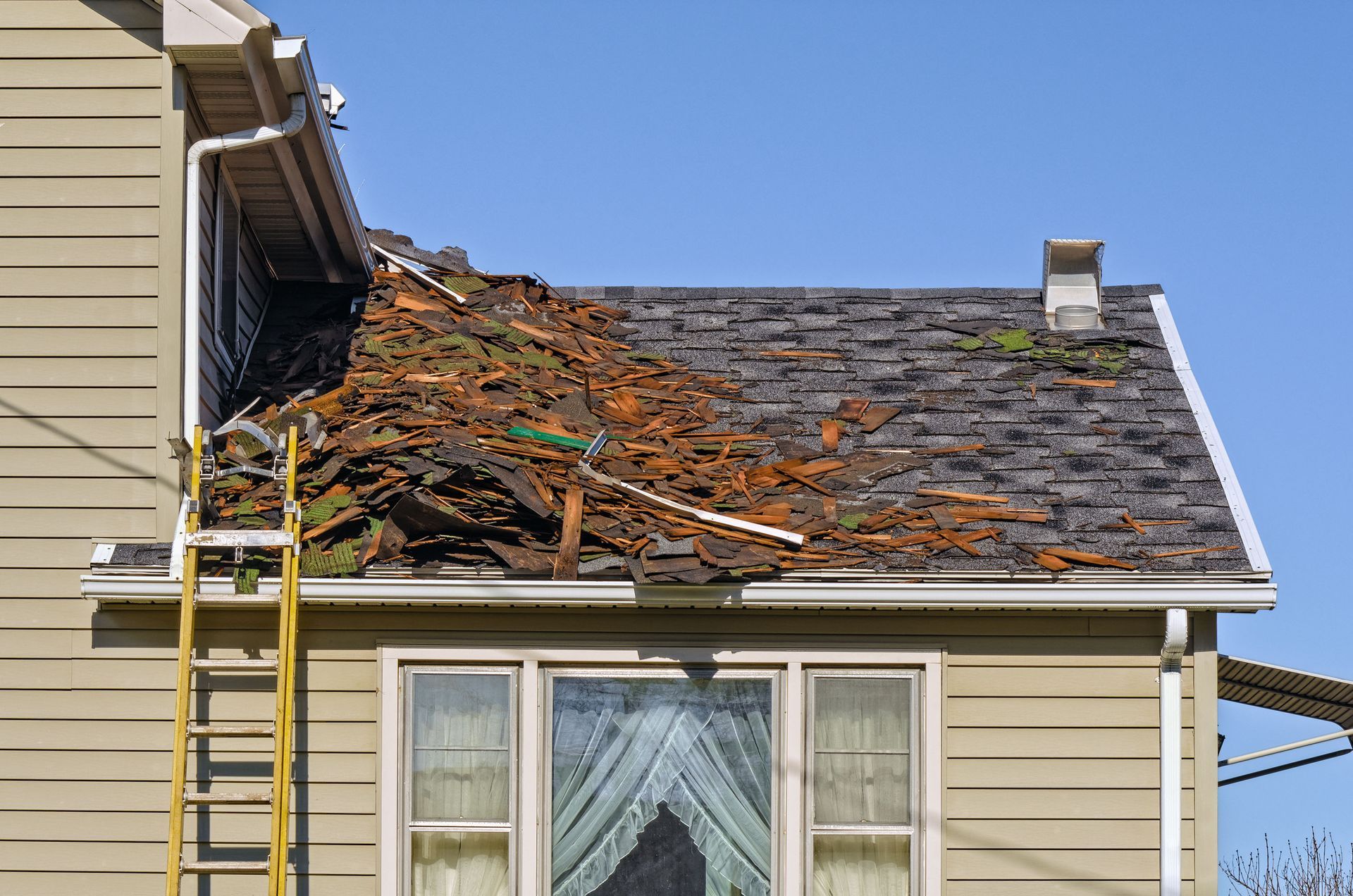
Storms can create sudden roofing expenses even when a system was previously performing well. Strong winds may lift or remove shingles, hail can damage roofing surfaces, and falling branches can cause direct impact. Heavy rain can also reveal vulnerable areas around flashing, vents, chimneys, skylights, or roof transitions. Because some storm damage is subtle, homeowners may not immediately realize that the roof has been compromised.
After significant weather, inspecting the property from a safe location can reveal obvious signs such as missing materials, debris, damaged gutters, or pieces of roofing on the ground. A roofing contractor can provide a closer assessment when there is reason to suspect damage. Prompt evaluation is useful because water may enter through small openings during later storms. Documenting damage early can also give homeowners a clearer understanding of what needs attention rather than waiting for interior stains or leaks to reveal the problem.
Comparing Repair and Replacement Decisions
One reason roofing expenses vary so widely is that not every problem requires the same solution. A newer roof with a small damaged section may be a good candidate for repair, while an older system with widespread deterioration may require replacement. Age, material condition, leak history, ventilation, previous repairs, and the extent of damage can all influence the decision. Homeowners benefit from looking at both immediate costs and the likelihood of additional work in the near future.
A roofing contractor can help explain whether a repair is expected to provide a practical long-term solution or simply postpone a larger project. Repeated repairs can become expensive when different sections continue to fail. On the other hand, replacing an entire roof unnecessarily can create a much larger expense than necessary. A careful evaluation allows homeowners to compare options based on the actual condition of the system rather than making a decision based only on the most visible symptom.
Planning for Material and Labor Expenses
The cost of a roofing project includes more than shingles or other visible materials. Underlayment, flashing, fasteners, ventilation components, disposal, equipment, and labor can all contribute to the final price. Roof size, pitch, accessibility, number of layers, architectural complexity, and material choice may also affect the scope of work. If damaged decking or other hidden problems are discovered after old materials are removed, additional repairs may be necessary.
Homeowners can prepare by requesting a clear explanation of what is included in an estimate and what conditions could create additional costs. A roofing contractor can discuss material choices and how different systems fit the home, climate, maintenance expectations, and budget. Comparing proposals based only on the lowest total can be misleading if the scopes of work differ. Understanding the details behind each estimate makes it easier to evaluate value and plan realistically for the full project.
Budgeting for Ongoing Roof Care
Roof expenses are easier to manage when they are treated as part of regular homeownership rather than as completely unexpected emergencies. Homeowners can set aside funds for inspections, minor repairs, gutter care, and eventual replacement as the roof ages. Keeping records of installation dates, past repairs, warranties, and maintenance can also help estimate when larger expenses may be approaching. This information becomes especially useful when buying an older property or planning other exterior improvements.
Preventive maintenance can include removing debris, keeping gutters functional, watching for interior signs of moisture, and arranging professional evaluation when concerns develop. These efforts do not guarantee that a roof will never experience damage, but they can make developing problems easier to identify. Creating a realistic maintenance budget can also reduce financial pressure when repairs are eventually needed. Instead of reacting only when a leak occurs, homeowners can approach roof care as a predictable part of protecting the property.
Protecting the Home Through Proactive Upkeep
The roof works together with gutters, flashing, ventilation, insulation, and exterior drainage to help keep the home protected. When one part of that system fails, problems can extend beyond the roof itself. For example, poor drainage may cause water to collect where it should not, while damaged flashing can allow moisture around roof penetrations. Maintaining these related components can help the roofing system function more effectively and reduce unnecessary exposure to water.
Proactive upkeep also gives homeowners more control over timing. Planned work can often be scheduled before an issue becomes urgent, allowing time to compare materials, understand the scope, and prepare financially. Emergency leaks or storm damage may require immediate decisions under more stressful circumstances. Regular attention to the roof helps property owners identify changing conditions and make informed choices before deterioration reaches the point where options become more limited.
The recent increase in roofing projects reflects the reality that roofs require ongoing attention as homes age and weather continues to affect exterior materials. Maintenance, inspections, timely repairs, thoughtful budgeting, and informed replacement decisions can all help homeowners manage the true cost of protecting their property. Ignoring small problems may allow damage to spread, while proactive care can make expenses more predictable and help preserve the roof’s performance. A qualified roofing contractor can provide useful guidance when homeowners are unsure whether a roof needs routine maintenance, repair, or replacement. For professional help evaluating and maintaining your roof, contact Secure Roofing & Restoration, LLC.